In this four blog post series, I cover the best practices in interviewing, from preparation, to analysis. The following is the fourth blog post; how to behave in interviews and how to record.
Table of Contents
Interview techniques and how to record interviews (You are here)
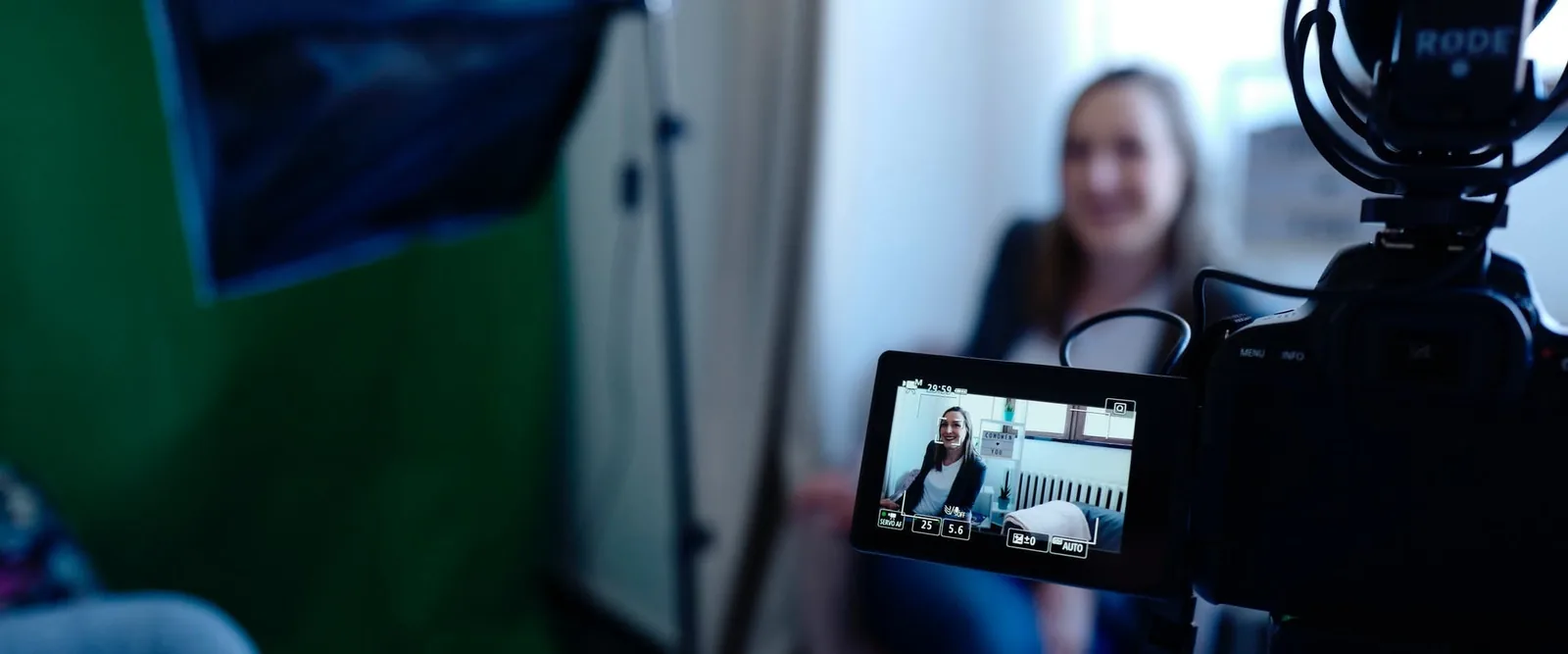
During the Interview: How to behave, how to record the interviews and many more
As the interviewer, you can decide to hold the interview in a private space, such as your private room in your office, or a public place. The first important part is to consider the convenience of the interviewee and make them feel comfortable.
Secondly, the venue is important as it determines the noise level around. A noisy place is both unpleasant to hold a conversation and also is difficult for recording the interview. We will discuss the value of recording interviews in length.
There are different alternatives for capturing the interview data. The most traditional alternative is taking notes by hand. Although, this alternative might be the first one to come to mind, it is very inefficient, as an average person can only write 30–35 words per minute while most people speak at a pace of 120 words. Although some people can type faster than they take notes, it might distract you from the interview process.
Recording
The best alternative for capturing information gathered through an interview is to record the full interview. The best practice is to initially ask for the permission of interviewee to record and then record the conversation until it finishes.
Recording doesn't only help you retain the information you find relevant at an interview, but also gives you the chance to re-listen and discover new themes and answers you haven't thought of during the interview.
Also as there is always the possibility to change the main interest of the research throughout the process, it is vital to record everything as the same material can be used for different purposes later on.
Which equipment to use?
You can simply use your smartphone for recording, but make sure that is it in a good position in the room, close to you and the interviewee.
Other alternatives are investing in recording equipment such a dictation recorder and accessories like a microphone.
If you are conducting an online interview you can simply record the interview as video or audio directly in the communication tool (Skype and Google Meets allow such recordings).
Top tips for interview process and recording
Avoid noisy venues. Outside noise would disrupt the quality of the recording.
Have a backup device. Either check if your device is recording or have a back up device.
Try not to interrupt the interviewee and avoid two people talking at once. This is a mistake usually occurring in the beginning of interviews until both parties get used to each others’ pace of speaking. Although talking at the same time occurs naturally, it would decrease the recording quality.
Always ask for permission before recording. As part of the ethical way of doing research, do not record without permission.
Ask prompts to get more targeted information. Remember not to ask leading questions but ask prompts; “What did you think when the event happened?” or “What was the effect of X on Y event?” are example prompt questions.
Use probes to get more elaboration on an answer. Probes are for when you don’t fully understand the answer given. Example probes can be “Can you say a bit more about that?” or “Could you give a few more details?”.